


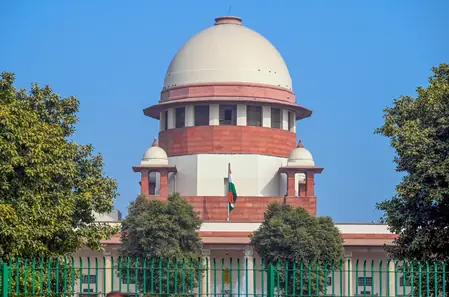
India’s top court is poised to deliberate swiftly on a Karnataka petition aiming to halt Mahashivratri observances at a Shivling enshrined in the Ladle Mashk Dargah complex, Kalaburagi. This flashpoint merges ancient spiritual ties with contemporary discord.
On February 11, senior lawyer Vibha Datta Makhija implored Chief Justice Suryakant to schedule before the holy day. Emphasizing Aland Dargah’s Shivratri plans, she sought preemptive judicial action.
CJI Suryakant pondered aloud the surge in Article 32 petitions sidestepping high courts. ‘Why invoke constitutional remedies routinely? It undermines state judiciaries and smacks of selective legalism. We’ll address this,’ he noted.
Celebrating Sufi luminary Hazrat Sheikh Alauddin Ansari (14th century) and Hindu sage Raghav Chaitanya (15th century)—guru to Ramdas, ally of Shivaji—the site features Chaitanya’s samadhi with the polarizing Shivling atop.
Centuries of shared veneration have given way to strife over rituals and renovations. Petitioners decry high court interim reliefs as steps toward religious reconfiguration, demanding stasis and no-build orders pre-festival.
Last year’s High Court verdict allowed 15 Hindus timed, secured worship, mirroring past accommodations that sequenced community access to foster calm.
With Mahashivratri looming, the apex court’s move promises to navigate fragile interfaith dynamics, potentially averting discord or upholding equitable access in shared sanctuaries.