


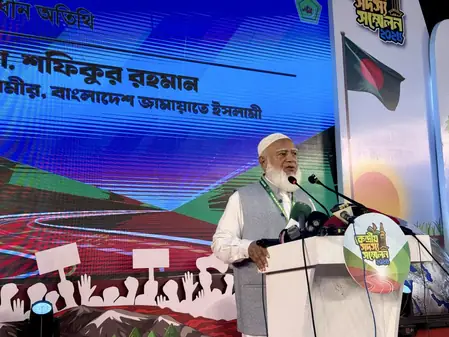
As Bangladesh hurtles toward elections, Jamaat-e-Islami’s manifesto has garnered attention for its women-centric pledges. Maldives Insight’s latest report, however, dismantles this narrative, exposing how conservative underpinnings render the promises cosmetic at best.
Shafiqur Rahman, the party’s ameer, dominates rallies with vows of universal female safety—from homes to workplaces. Concrete proposals include CCTV networks, emergency lines, maternal work relief, and gender-segregated transit. Representation in cabinets for women alongside minorities is also touted.
Contradictions abound. Jamaat’s ticket roster? All men. Elite leadership? Male-only, with women barred from pinnacles. Sharia ambiguity suggests ongoing emphasis on separation and submission.
‘Islamist groups worldwide grapple with this tension,’ the report contextualizes. ‘Jamaat’s inclusivity talk crumbles under behavioral scrutiny— no female candidates, persistent homemaker tropes.’ Protection trumps participation, framing women as wards needing shelter, not partners in power.
This exposé arrives at a critical juncture, compelling Bangladesh’s electorate to probe beyond glossy manifestos. True empowerment demands candidacy, leadership access, and ideological shifts—not just safety nets. Jamaat’s duality underscores broader challenges in reconciling faith with feminism in South Asian politics.