


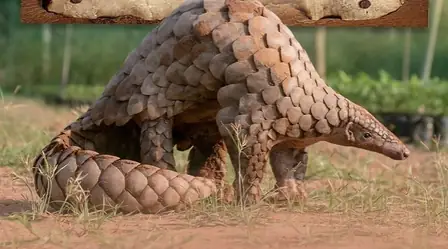
In the heart of Indian wilderness, where lions reign supreme, one creature defies the food chain: the Indian pangolin. This unassuming resident of forests, mountains, plains, and deserts cloaks itself in 160-200 keratin scales – brown, earth-toned shields unique among mammals. Known variably as the thick-tailed or scaly anteater, it’s a master of camouflage and defense.
Physical stats: 84-122 cm body length, 33-47 cm tail, 10-20 kg heft. Solitary, bashful, plodding, night-active – burrowed by day, prowling nocturnally. It sticks to lowlands, bushes, ant/termite havens, never ascending trees.
Defense mode activates on peril: total rollover into armored ball, foiling lions, tigers effortlessly. Hunting? Claws dismantle nests; cue the tongue – prodigiously long (40+ cm), pelvic-anchored, saliva-slicked for vacuuming ants, termite eggs/larvae/adults, beetles, roaches. Pure carnivore of creepy-crawlies.
Impact? Monumental. Pest predation averts crop ruin, forest blight. Soil-turning aids aeration, percolation. Dire straits: IUCN Red List endangered; Schedule I in India. Primary foes – poachers, scale traffickers for pseudomedicines, jewelry.
Conservation momentum builds: Trusts ally with Madhya Pradesh Forest Dept, researching distributions, usages, ecologies for strategic conservation. The pangolin’s blend of vulnerability and invincibility captivates – a call to action for its preservation amid modern threats.