


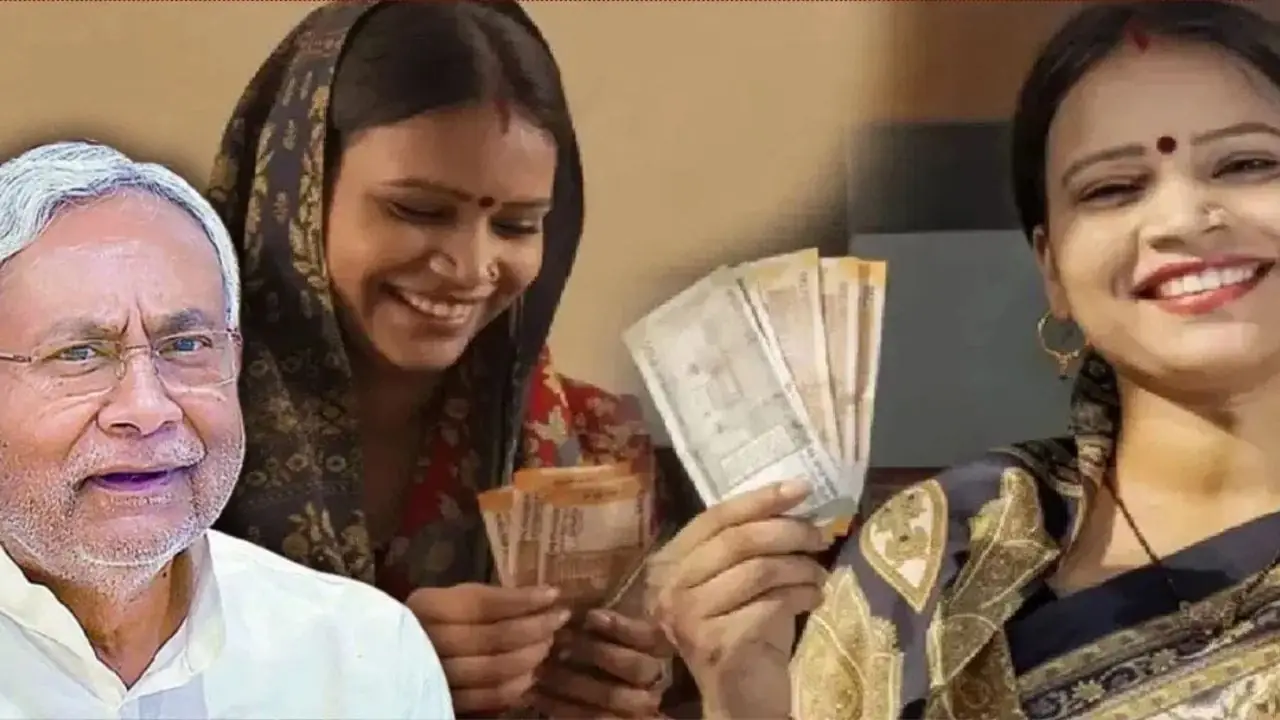
Bihar’s game-changing Chief Minister Mahila Rozgar Yojana evolves with clear rules for its Rs 2 lakh assistance package. Having onboarded 1.56 crore women with Rs 10,000 starters—and today adding 25 lakh more—the scheme shifts to phased funding to guarantee real-world impact.
No lump sums here: four installments hinge on progressive milestones. Post-initial grant, gram-level checks assess enterprise launches. District committees verify, state bodies approve, unlocking the next payout. The upcoming Rs 20,000 requires a Rs 5,000 self-contribution and a binding affidavit for business use.
Daily discipline defines eligibility—regular SHG meetings, weekly Rs 10 group savings, rigorous bookkeeping, solid business strategies, and hands-on training. These guardrails ensure funds birth viable ventures, not vanish into thin air.
Opposition voices decry it as electoral enticement turned bureaucratic hurdle. Yet, the government’s SOP-driven rollout, disseminated district-wide, signals seriousness. Six months after phase one, second-stage processes activate, promising measured expansion.
At its core, this is empowerment engineering: structured support for rural women to build economic independence. Bihar’s villages stand to gain robust self-employment ecosystems, driving growth from the grassroots. If conditions empower without overwhelming, the scheme could redefine welfare, turning aid recipients into job creators.