


Health alarms ring across Bangladesh after 14 dengue patients surfaced in 24 hours, per official tallies. This rapid increase spotlights vulnerabilities in the country’s public health infrastructure amid persistent environmental risks.
Breaking down the cases: nine from Barisal division, four from Khulna, and a single instance in Rajshahi. All individuals are hospitalized, underscoring the need for vigilant monitoring in high-burden areas.
The 2025 outbreak logs 1,361 cases and four fatalities to date, a fraction yet of 2023’s 102,861 infections claiming 413 lives or 2024’s 101,214 cases with 575 deaths. Rising temperatures and erratic rainfall exacerbate mosquito breeding in urban slums and rural pockets alike.
Preventive protocols from the health directorate promote source reduction—ditching water containers—and personal protection like nets and lotions. Prompt physician visits for warning signs are non-negotiable, with emphasis on hydration and rest.
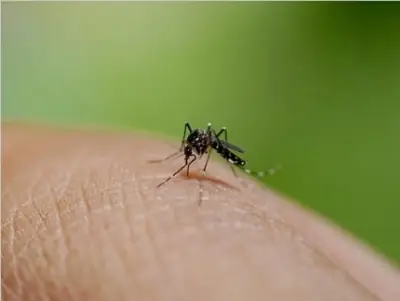
Aedes-transmitted dengue virus causes a spectrum of illness, from self-limiting fever to critical organ failure. Predominant in monsoon-prone zones, control hinges on disrupting mosquito lifecycles. WHO underscores that community engagement amplifies official efforts manifold.
Looking ahead, Bangladesh eyes advanced diagnostics, genomic surveillance, and vaccine rollout to blunt future waves. Collaborative resolve between government, NGOs, and citizens will define success in taming this tropical scourge.