


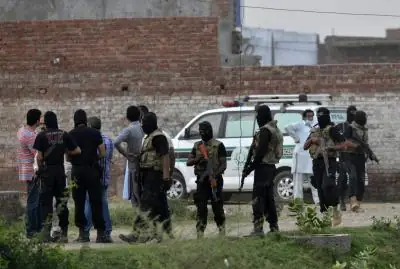
A damning expose from the Human Rights Commission of Pakistan (HRCP) has thrust Punjab’s Crime Control Department (CCD) into the spotlight for allegedly masterminding fake police encounters that claimed 924 lives in merely eight months of 2025. Released on February 17 from Islamabad, the findings highlight 670 such incidents, with police losses limited to two.
Daily averages exceeding two deaths, mirrored operational styles in multiple districts—these red flags compel HRCP to label it an entrenched doctrine warranting top-tier judicial intervention.
The human cost extends to traumatized kin, coerced into rushed rites and silenced by intimidation. HRCP condemns this as felonious meddling in legal recourse, amplifying the scandal.
These so-called encounters have polarized Pakistan for decades, defended by Punjab and Sindh administrations as bulwarks against lawlessness and terror. Counterarguments from benches, watchdogs, and civil sectors spotlight rampant impunity and rights abuses.
Contravening UN doctrines on force application—confined to dire, balanced needs with punitive measures for excesses—CCD actions draw sharp HRCP rebuke. Templated police dispatches, invariably depicting suspect aggression met by self-preservation and tagging victims as villains, betray premeditation over policing.
Genuine safety protocols investigation, court proceedings, and oversight—not fatal bypasses—hold the key, HRCP posits. Urgently sought: encounter moratoriums across Punjab, impartial fact-finding mandates, wrongdoer penalties, and reforms syncing with constitutional and international mandates.
Inaction invites peril: habitual state aggression could permanently hobble Pakistan’s courts, governance structures, and stature abroad.