


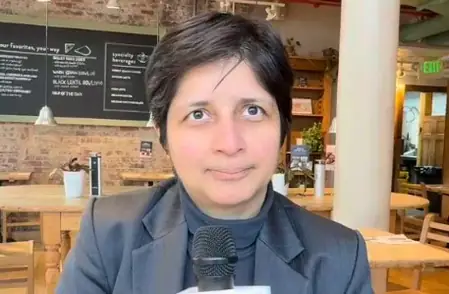
Amid fanfare of elevated US-Pakistan interactions, expert Aparna Pande delivers a sobering assessment: relations dazzle symbolically but deliver zilch concretely. The Hudson Institute analyst highlights absent economic boons or military hardware despite a year of diplomatic overtures.
Enter PM Shehbaz Sharif’s timely DC trip for Trump’s ‘Board of Peace’ kickoff, packaged by Pakistan as relational renaissance. Pande pierces the veil: more show than shift.
“Focused on the meeting,” she observes, “with emphasis on recent rapport and personal leader links.” Trade bilateral hopes simmer, to be confirmed.
“Symbolically thriving, but Pakistan’s landscape? Barely altered,” Pande assesses. Gaza thrusts Pakistan into advocacy spotlight; engagements here could domestic-win, sans pro-Israel optics that alienate the military’s base.
Troop role specifics are paramount. US domestic politics sidestep scrutiny. Leveraging position in Iran-Gaza webs, Pakistan eyes reciprocity—greeted instead by platitudes and iffy investments.
Outrage mounts, epitomized by the Defense Minister’s scathing US critique. Arms access? Market-rate only. Balochistan’s minerals lure Americans, but terror shadows repel capital.
Pande’s takeaway: Prioritize substance over spectacle. Pakistan’s overtures merit reciprocity, not rhetoric, to forge enduring alliance.