


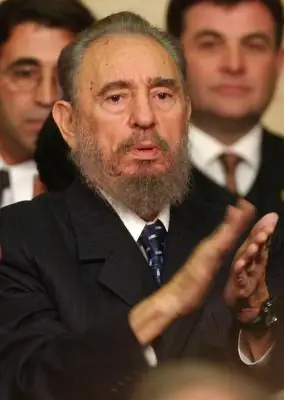
February 19, 2008, etched itself in history when Fidel Castro resigned, drawing the line under a half-century reign that began with revolutionary fervor in 1959. From Sierra Maestra mountains to Havana’s palaces, his path redefined Cuba and rippled across hemispheres.
Dismantling U.S.-puppet Batista, Castro forged a communist state, courting Khrushchev’s USSR and staring down Kennedy during the 1962 crisis that teetered on apocalypse. His charisma rallied the Global South, positioning tiny Cuba as anti-imperialism’s vanguard.
Progressive policies leveled the playing field: free education minted professionals, healthcare dispatched brigades worldwide, even to Ebola zones. Economic model faltered under embargo, breeding shortages, but admirers laud poverty reduction and gender equality gains. Opponents spotlight human rights abuses, mass exoduses via rafts, and cult-like control.
Gut surgery in 2006 led to Raul’s interim role, solidified in 2008. Reforms followed: paladares (private eateries), car sales liberalization, internet creep. Fidel’s shadow loomed, penning columns until his passing.
Obama-era normalization—Pope Francis-brokered—promised renewal, shattered by Trump’s embargo revival and COVID blows. Díaz-Canel inherits protests, energy crises, migration surges. As Cuba tinkers with hybrid economy sans multiparty democracy, Castro endures as polarizing titan: liberator or oppressor, his saga a lens on ideology’s endurance.