


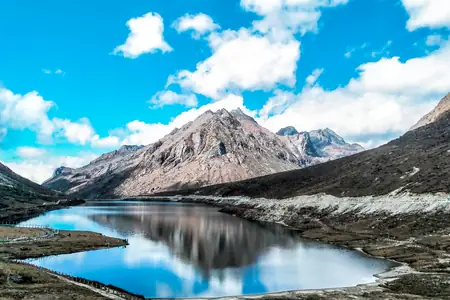
India’s map expanded meaningfully in 1987 with Mizoram and Arunachal Pradesh’s statehood, born from peace accords and strategic vision. Far from the spotlight of Himachal’s 1971 upgrade, these additions fortified the union’s eastern flank.
In Mizoram, famine in 1966 lit the fuse for MNF rebellion. Laldenga’s two-decade war challenged sovereignty, but India’s democratic ethos kept negotiation channels open. The breakthrough 1986 agreement culminated in February 20 statehood, with Laldenga at the helm as CM.
This evolution from armed struggle to elected governance is inspirational, showcasing conflict resolution at its finest.
Arunachal Pradesh, rechristened from NEFA, joined as the 24th state concurrently. ‘Dawn’s Land’ safeguards vital borders, its statehood weaving tribal legacies into national fabric—from high-altitude passes to riverine lowlands.
Himachal’s chronicle complements: from 1948 UT to resisting 1956 merger fates, Dr. Parmar’s advocacy secured 1971 statehood. Its success in horticulture and eco-tourism validates autonomous governance.
These narratives affirm India’s federal resilience—turning separatist fires into state stars, blending Northeast frontiers with heartland aspirations for a cohesive republic.