


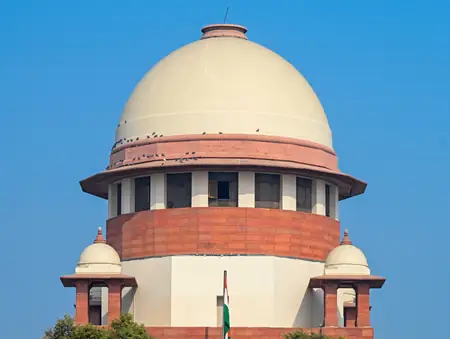
Populist freebies are under the scanner as the Supreme Court sharply criticized state governments for prioritizing electoral free lunches over sustainable development. Heading the bench, Chief Justice Sanjaya Kumar Mishra highlighted the perils of schemes offering gratis electricity, student cycles, food, and cash amid yawning fiscal gaps.
Triggering the discourse was a plea from Tamil Nadu power distributors protesting a targeted subsidy that threatens their survival. The state’s decision exemplifies a broader malaise plaguing Indian federalism.
‘States drowning in debt and deficits keep announcing freebies. Free electricity? Free cash? Then forget infrastructure and growth,’ the CJI observed candidly. He called for a strategic realignment: ‘Generate jobs instead of handouts. That’s the way forward.’
The court flagged the pre-poll surge in such declarations, questioning their longevity. ‘How long will this vote-bank politics persist? Society must reflect,’ it implored, while endorsing aid only for those genuinely struggling with basics.
Data paints a worrying picture—several states’ revenues barely cover salaries, let alone new promises. This judicial nudge could compel reforms, reining in the freebie frenzy that’s estimated to cost billions annually.
With India’s economy at a crossroads, the Supreme Court’s intervention champions fiscal discipline. Future hearings may yield guidelines balancing welfare imperatives with budgetary sanity, steering states toward responsible governance.