


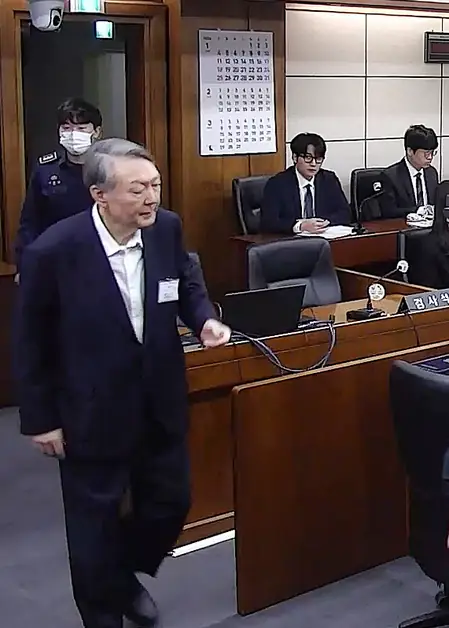
A Seoul court has etched a somber milestone in South Korean history by sentencing ousted President Yoon Suk Yeol to life behind bars for his 2024 martial law rebellion attempt. Unveiled Thursday, the decision labels his troop deployment to parliament as seditious core.
The spectacle unfolded live on TV, with Yoon shuttled from prison to confront the bench. Prosecutors chronicled his collusion with ex-Defense Minister Kim Yong-hyun to spark disorder, dismantle constitutional norms, and enact martial law without valid crisis— a six-hour aberration in December that ignited fury.
Upping the ante on appeal, special counsel Cho Yoon-sook advocated execution, portraying Yoon’s maneuvers as a power grab over judiciary and assembly to perpetuate dominance. Critical was the perversion of defense apparatus into tools of domestic coercion.
In defense, Yoon maintained his emergency powers were constitutionally sound, not mutinous. The judiciary disagreed, upholding rebellion charges from the initial trial.
Beyond punishment, this verdict reaffirms South Korea’s post-dictatorship evolution, where swift impeachment and judicial reckoning deter strongman tactics. It galvanizes public trust in systems designed to thwart executive adventurism.
As the nation digests this, discussions intensify on leadership accountability and emergency power limits. With potential higher appeals ahead, the life sentence stands as a pivotal enforcement of democratic supremacy, ensuring no leader transcends the law.