


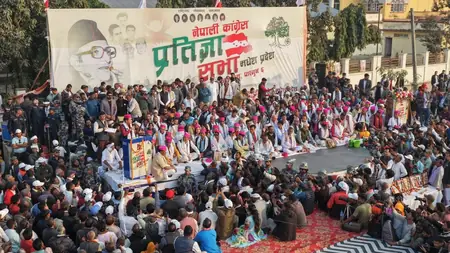
With March 5 elections looming, Nepal’s major parties—Nepali Congress, CPN-UML, and breakout Rashtriya Swatantra Party—dropped their manifestos Thursday, centering on cordial, even-keeled relations with powerhouses India and China.
The storied Nepali Congress recommitted to steering clear of wars, arms races, or superpower tussles. Its equality-driven diplomacy promises neighborly relations built on respect, joint prosperity, and economic ties, national priorities reigning supreme.
CPN-UML upheld its evergreen mantra: friends everywhere, enemies nowhere. Pledges focus on deepening amicable neighbor cooperation and global networking, avoiding any detriment to nearby states.
RSP, thrusting Balen Shah into PM contention, champions a revitalized foreign policy of dynamism and balance. Nepal evolves from buffer to ‘vibrant bridge,’ fueling three-way economic ventures and regional integration with India and China.
Mindful of shifting power balances and bilateral interests in Nepal, RSP urges nimble, proactive statecraft to tap into neighbors’ growth and geo-shifts. It praises India’s digital revolutions, superior projects, economic streamlining, and sector blends as learnable assets.
China’s subsidized mega-infra, steered planning, and provincial contests offer complementary wisdom. Election rhetoric amplifies foreign affairs, regional equilibrium, and neighbor dynamics as pivotal voter concerns.
Across the board, peaceful diplomacy unites the platforms, but RSP’s transformative rhetoric challenges traditional stances. Nepal stands at a crossroads, where electoral outcomes will chart its navigational course in a tense neighborhood.