


Chaos gripped the prestigious India AI Impact Summit at Pragati Maidan on February 20 when Indian National Youth Congress members bared their torsos in protest. The audacious move elicited immediate and vehement rebukes from Union Minister Piyush Goyal and fellow BJP figures, who saw it as peak Congress arrogance amid electoral frustrations.
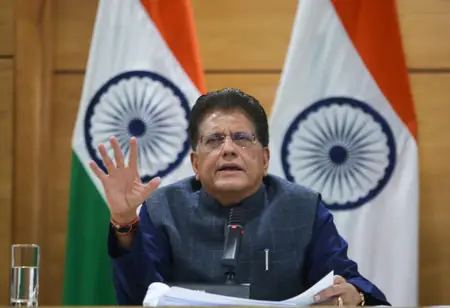
Goyal’s X tirade cut deep: ‘Rahul Gandhi, this shirtless farce screams Congress frustration. You undermine trade successes with misinformation, then let underlings disgrace a global AI event, embarrassing India’s 1.4 billion people.’ He critiqued it as a tactic born from policy bankruptcy.
As delegates from around the world converged to applaud India’s tech vision, the protest injected discord. Ravneet Bittu highlighted the shame: Congress spurning respect for disruption when India asserts tech supremacy. Shekhawat jabbed at the leadership void evident in such vulgarity.
Manjinder Singh Sirsa’s outrage peaked, terming it a ‘shameful striptease’ before dignitaries, indicting Gandhi scions for forgetting national decorum. Gaurav Bhatia alleged a conspiracy by Congress ‘goons’ to tarnish India internationally.
The BJP’s onslaught unifies around protecting India’s rising stature. Congress’s silence so far leaves room for interpretation—was it planned provocation or impulsive youth energy? Either way, it spotlights tensions between democratic expression and global image.
In the broader context, India’s AI push gains momentum despite political noise. Yet, incidents like this prompt reflection: how to balance fervent opposition with the poise expected of a rising power? The summit proceeds, but the political aftershocks reverberate, underscoring India’s vibrant yet volatile democracy.