


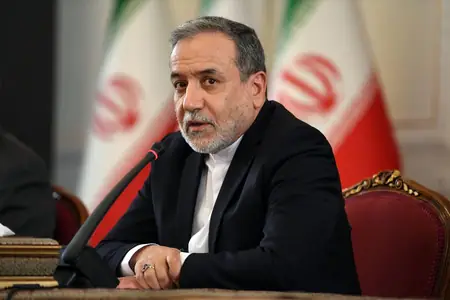
Navigating a minefield of U.S. threats, Iranian Foreign Minister Seyed Abbas Araghchi turned to trusted partners Friday via phone. He updated Egypt’s Badr Abdelatty and Russia’s Sergey Lavrov on indirect nuclear parleys with America, spotlighting Tuesday’s Geneva progress.
To Abdelatty, Araghchi shared strides in formulating a draft negotiation anchored in equality and joint benefits. Egypt’s top envoy hailed the initiative, advocating persistent consultations for a consensus-driven framework.
With Lavrov, the duo assessed Iran’s atomic pursuits, incorporating Geneva insights. Moscow pledged continued aid for talks yielding fair results—ones safeguarding Iran’s NPT entitlements through diplomacy.
The timing is precarious: U.S. troops surge in the Middle East, stoking fears. Trump dropped a bombshell Thursday, allotting Iran mere weeks for nuclear compromise lest it invite harsh penalties.
Per Wall Street Journal reporting, the administration floats targeted airstrikes to bend Iran’s will. If authorized, attacks on military/government nodes could materialize fast. Stonewalling might unleash regime-wide barrages to cripple Tehran’s hold.
Trump ponders his menu of force without commitment. Iran’s proactive diplomacy with regional heavyweights like Egypt and a global player like Russia weaves a safety net against isolation. As deadlines loom and militaries posture, these exchanges underscore the fragile balance between dialogue and disaster in the Iran nuclear saga.