


Imagine a place where you can’t sink, no matter how hard you try. That’s the Dead Sea, Earth’s lowest land elevation at minus 430 meters, bridging Israel and Jordan. Its ‘dead’ label stems from lethal salinity: water 10 times saltier than seawater annihilates fish, plants, and fauna, leaving a ghostly void.
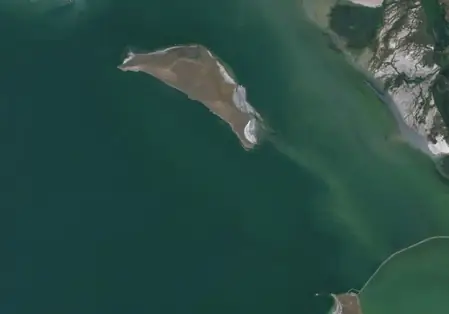
Buoyancy from dense brine turns bathers into human floats. NASA’s Landsat satellites capture the drama across time—1972’s bold blues yielding to 1989 and 2011’s shrunken, color-shifting basins marked by pinks and whites. The Lisan Peninsula acts as a dramatic splitter, with minimal green patches signaling life’s tenuous grip.
Rapid summer evaporation—2-3 cm daily—drives shrinkage, amplified by mega-scale salt works proliferating for decades. Harvested sodium and potassium salts purify drinking water, clear icy highways, and build plastics. Satellite evidence lays bare these interventions’ toll.
Echoes of antiquity abound. Egyptians mined here for mummy preservatives and fertilizers millennia ago. The site’s sanctity peaked with the 1947-1956 Dead Sea Scrolls find: over 970 ancient scrolls from shore caves, preserving the Hebrew Bible’s earliest known copies and illuminating lost religious worlds.
Accessible via NASA-USGS Landsat portals, this data fuels ongoing vigilance against the lake’s demise. Balancing tourism, industry, and ecology, the Dead Sea embodies nature’s fragility, compelling global action to revive its vital legacy.