


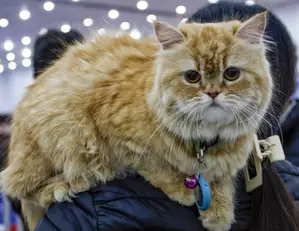
Imagine your purring pet contributing to curing cancer—that’s the promise of a bombshell study in Science revealing near-identical genetic signatures in cat and human tumors. This February 19 publication from University of Guelph scientists is redefining oncology frontiers.
Cancer biologist Geoffrey Wood’s team sequenced DNA from hundreds of pet cat tumors, crafting a detailed atlas of mutations. Shockingly, pivotal genes including TP53 showed parallel disruptions, governing cancer onset and spread in both species.
Why cats? They inhabit our toxin-laden world, mirroring human exposures to carcinogens and habits that spur disease. This real-life parallelism makes their cancers invaluable for modeling ours, eclipsing lab-induced alternatives.
Embracing One Health principles, the research bridges veterinary and human realms. It forecasts cat-informed treatments slashing development timelines, with therapies honed on pets readily adaptable for people.
The international acclaim is resounding, positioning this as a pivotal leap. As collaborations expand, cats emerge as unsung heroes in the war on cancer, heralding an era of smarter, swifter medical progress.