


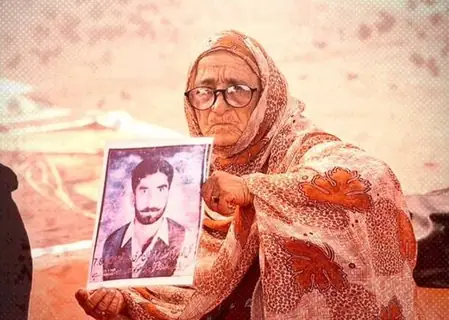
Amid Balochistan’s simmering tensions, the story of Amma Huri unfolds as a heartrending chapter of loss and perseverance. The 80-year-old succumbed on February 16, her lifelong vigil for son Gul Mohammad Marri—missing since 2012—unfulfilled. Accusations of enforced disappearance by Pakistani agencies cast a long shadow over her final days.
Homeless and harassed, Amma Huri transformed grief into activism. She joined Quetta rallies, Islamabad dharnas, and family camps, often with her son’s daughter by her side. ‘I’m too old, yet I fight because no one tells me if he lives,’ her poignant video recounts, now circulating widely on social platforms.
Publications note her role in elevating personal plights to collective consciousness, altering dynamics between Baloch communities and the state. Defying conventions, she stormed police outposts and judicial halls, embodying the struggle of hundreds of mothers. Official rebuttals fall on deaf ears as disappearances persist.
Amma Huri’s departure amplifies the urgency for resolution in Balochistan. Her tale, rich with raw emotion, demands reckoning with policies fueling division. As protests continue, she leaves an indelible mark—a mother’s hope enduring beyond death, compelling action against a cycle of vanishing lives and unbroken spirits.