


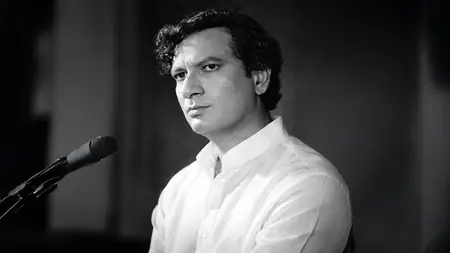
Vijay Anand, or Goldie, was the architect of Bollywood’s urbane renaissance. In an era of village fairs and sobbing sagas, his Guide (1965) emerged as a beacon—Rosie dances free from suffocating bonds, Raju rises from guide to guru. A meditation on desire, devotion, and deliverance, it expanded cinema’s horizons.
From Nauj Daur’s rapid-fire thrills to Jewel Thief’s masterful tension—think camera sly peeks and the sixth-finger feint—Goldie wielded suspense like a scalpel. Dev Anand, his star sibling, personified the cigar-chomping city dweller he championed.
Self-editing guaranteed precision; songs became narrative engines. ‘O Haseena Zulphonwali’ jazzed up Teesri Manzil flawlessly, while Qutub Minar’s spirals framed Tere Ghar Ke Samne’s passion uniquely. Goldie made music move mountains.
Defiant in life too, 70s Osho inspiration led to his niece-marriage furor, yet happiness prevailed. Shyer than his extroverted brother, he delivered nuanced performances and TV’s memorable Sam D’Silva.
Awards flowed: Guide’s dual Filmfare wins, Johnny Mera Naam’s editing nods, BFJA honors. In 2004, declining intervention, he left us at 70, heart unyielding. Goldie’s brushstrokes of modernity, mystery, and charisma endure, proving one visionary can redefine an industry.