


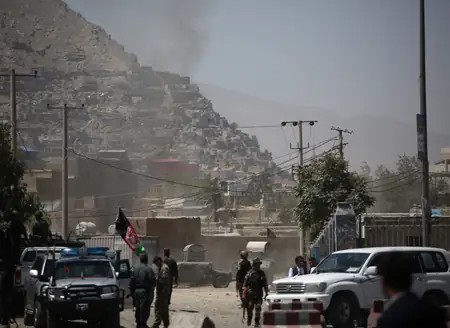
Afghanistan’s National Security Ministry unleashed sharp criticism against Pakistan on Sunday after airstrikes hammered civilian areas in Nangarhar and Paktika, destroying homes and a madrasa while killing many ordinary people, predominantly women and children.
Detailed assessments revealed widespread harm, with survivors recounting the terror of the unprovoked bombings. Kabul’s narrative of Pakistani bellicosity gains traction with each reported incursion into its skies.
The ministry’s response was unequivocal: these acts defy Afghanistan’s independence, shatter international legal frameworks, neighborly bonds, and Islamic ethics. Defenders vowed to respond judiciously when conditions align, viewing protection as both faith-driven and civic.
Such operations, the ministry argued, spotlight Pakistan’s lapses in surveillance and tactics. ‘Civilian and religious targets prove their deficiencies endure,’ it asserted defiantly.
The International Human Rights Foundation brought fresh urgency with accounts from Nangarhar’s Behsud, where one blast erased a family of 16—infants to octogenarians perished.
Two kids defied odds to survive; one more was hurt. Far from accident, IHRF called it systematic extermination, urging swift impartial inquiries, accountability for leaders and troops, and humanitarian support without delay.
In a plea for unity, the body stressed honoring the lives of everyday Afghans, as cross-border hostilities threaten deeper instability.