


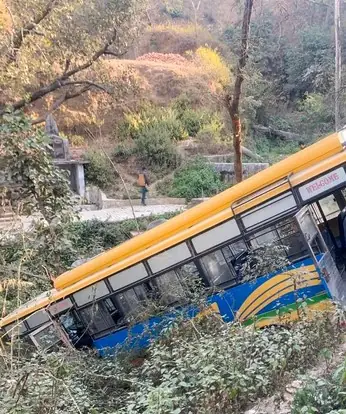
Nepal mourns 18 victims of a catastrophic bus accident in Dhading, where a passenger-laden vehicle from western Pokhara hurtled into the Trishuli River en route to Kathmandu. Striking at 1:30 AM in Bhaishigauda, the bus careened 300 meters off the road, marking yet another blow to the Himalayan nation’s fragile transport safety net.
Authorities mobilized swiftly: Nepal Army, police forces, and community members launched rescues hindered by nocturnal gloom, jagged landscape, and resource gaps. By 6:30 AM, initial efforts yielded 17 bodies for confirmation and 27 wounded shifted to medical centers locally and in Kathmandu.
With 44 aboard, the toll climbed to 18 per traffic police chief Shishir Thapa, as rescue head Rajkumar Thakuri accounted for 25 treated survivors from a manifest exceeding 35. The enigma persists—why did a lane-compliant bus suddenly falter?
Broader data alarms: Nepal’s road mishaps escalated from 4,999 a decade ago to 7,669 last year, logging 190 fatalities across 278 grave events. Economically, World Bank figures reveal crash injuries now sap 1.5% of GDP, up threefold since 2007, ravaging low-income groups where 70% of decedents are vulnerable travelers—foot, cycle, or moto-bound.
Surging vehicular traffic on hazard-prone routes demands overhaul: fortified infrastructure, mandatory checks, and awareness drives. This Dhading disaster serves as a stark reminder that without action, Nepal’s roads will continue claiming lives indiscriminately.