


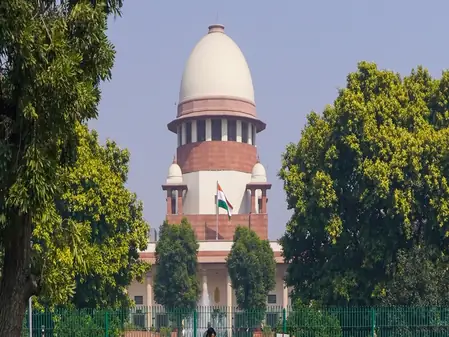
The Supreme Court made headlines Monday by granting bail to advocate Akhilesh Dubey in a case involving alleged extortion and threats, reversing the Allahabad High Court’s earlier refusal. This apex intervention follows Dubey’s incarceration starting August 6, 2025, over charges at Kanpur’s Barra police station.
Counsel Satyam Dwivedi unpacked the saga for the press: a barrage of six FIRs filed simultaneously, betraying underlying vendetta. The court pored over SIT documents, affirming Dubey’s spotless past and exposing how most complaints piggybacked on a solitary FIR—riddled with procedural flaws and evidential voids.
The High Court hurdle came via Justice Santosh Rai’s October order, which flagged the offenses’ severity under BNS, risks of witness intimidation, and professional misconduct potential, compounded by 47 active cases. Supreme Court arguments dismantled this, spotlighting barren investigations in numerous files.
Dwivedi hailed the outcome as a precursor to broader relief. ‘Arguments resonated; expect similar results elsewhere,’ he predicted. This development critiques the cascade effect of FIRs, particularly against legal eagles, and reinforces bail as a right, not a rarity.
In the larger canvas, Dubey’s bail prompts reflection on judicial oversight in mass filings. It advocates for stringent FIR vetting to prevent abuse, ensuring justice isn’t derailed by volume over validity. As Dubey walks free, the legal fraternity watches for ripple effects in akin disputes.