


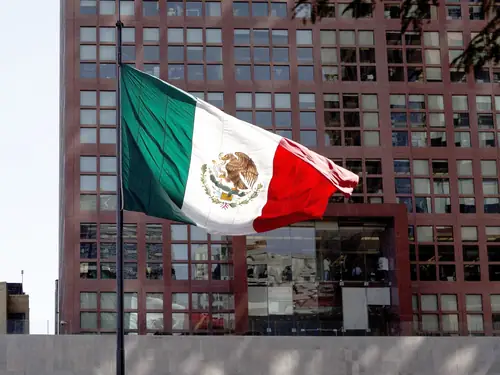
Decades of simmering unrest erupted in 1810 when Father Miguel Hidalgo rallied Mexico against Spanish overlords with his Grito de Dolores. This peasant-led revolt embodied the raw desire for freedom after 300 years of colonial bondage, though it ended in Hidalgo’s death.
Undeterred, figures like Morelos advanced the cause with sophisticated manifestos calling for abolition of castes, education for all, and independence. Their persistence amid defeats kept the dream alive, priming the ground for a decisive breakthrough.
Agustin de Iturbide seized the moment in 1821. Proclaiming the Plan of Iguala on February 24, he outlined three core tenets: official Roman Catholicism, separation from Spain, and equality across classes. Dubbed the Three Guarantees, they forged a grand coalition that overwhelmed opposition.
Victory came fast—the August Cordoba accord sealed independence, and on September 27, liberators claimed Mexico City. Iturbide ascended as emperor, but his monarchy dissolved within a year, yielding to republican ideals.
The Plan of Iguala transcended tactics; it was the culmination of heroic struggles, crystallizing Mexico’s identity around unity, piety, and self-rule. Its legacy endures in the fabric of modern Mexico.