


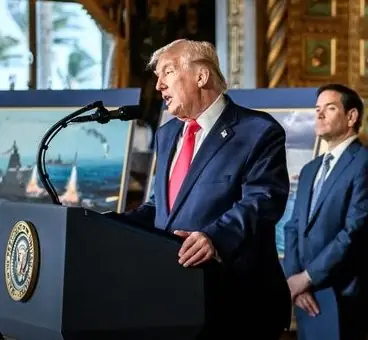
A new era of openness dawns for American higher education’s foreign finances. The Trump administration’s latest move mandates detailed public disclosures via a streamlined portal, targeting gifts and contracts over $250,000 from any single foreign entity.
Jointly introduced by top Education and State officials, it’s not anti-global—it’s pro-security. Section 117, added in 1986, has languished with poor enforcement despite its aim to inform citizens on foreign impacts.
Scale is jaw-dropping: $67 billion since inception, $5.2 billion last year. Qatar’s $1.2 billion tops the list, UK $630 million, China $530 million. Indian conglomerates qualify if volumes surge.
‘Like turning on the lights,’ says Nicholas Kent, spotlighting possible conditions on funds. Critical in AI, biotech, semis—where rivals might infiltrate via proxies.
Backstory includes Senate outrage over a ‘black hole’ of 70% missing data. Yale’s multi-year omissions, lax foreign college compliance spurred 19 probes, lifting adherence significantly.
Ties to research protection are explicit. As Indo-U.S. academic bonds strengthen, this ensures clean collaboration. No judgments, just facts in the open for accountability.