


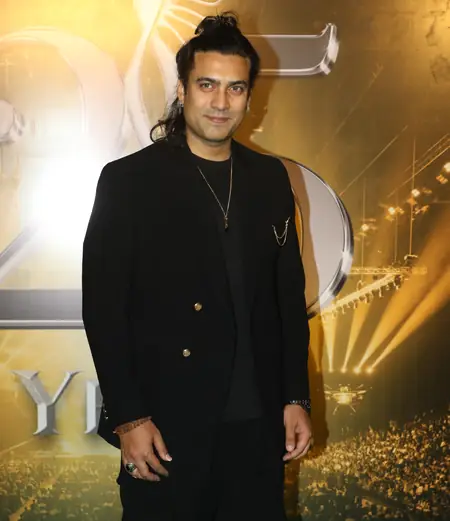
A decisive blow to unauthorized AI mimicry came from the Delhi High Court on February 24, as it restrained platforms from exploiting singer Jubin Nautiyal’s personality rights. Justice Tusshar Rao Gedela’s order halts a proliferating menace in the digital realm, where advanced tech replicates artists’ essence without permission.
Nautiyal’s comprehensive plea outlined the anatomy of infringement: machine learning algorithms cloning his vocal techniques, facial features, and stylistic nuances to produce misleading content. Deepfakes flood social feeds, while e-commerce sites hawk bogus posters and digital collectibles falsely linked to him, undermining trust.
Recognizing the artist’s prominence, the court warned of profound, irremediable harm. The injunction is ironclad, forbidding AI voice synthesis, digital twins, face swaps, and promotional abuses on all platforms—from websites to immersive metaverses.
Online hosts must scrub offensive posts, videos, and apps immediately, furnishing data on violators. Regulatory heavyweights MeitY and DoT ensure execution, with all parties summoned for replies within a month.
Scheduled for April 28 before the Joint Registrar and August 25 for merits, the case spotlights escalating tensions between AI innovation and individual rights.
This precedent empowers creators globally, urging platforms to implement robust verification. In an era of synthetic realities, such rulings preserve authenticity at content’s core.