


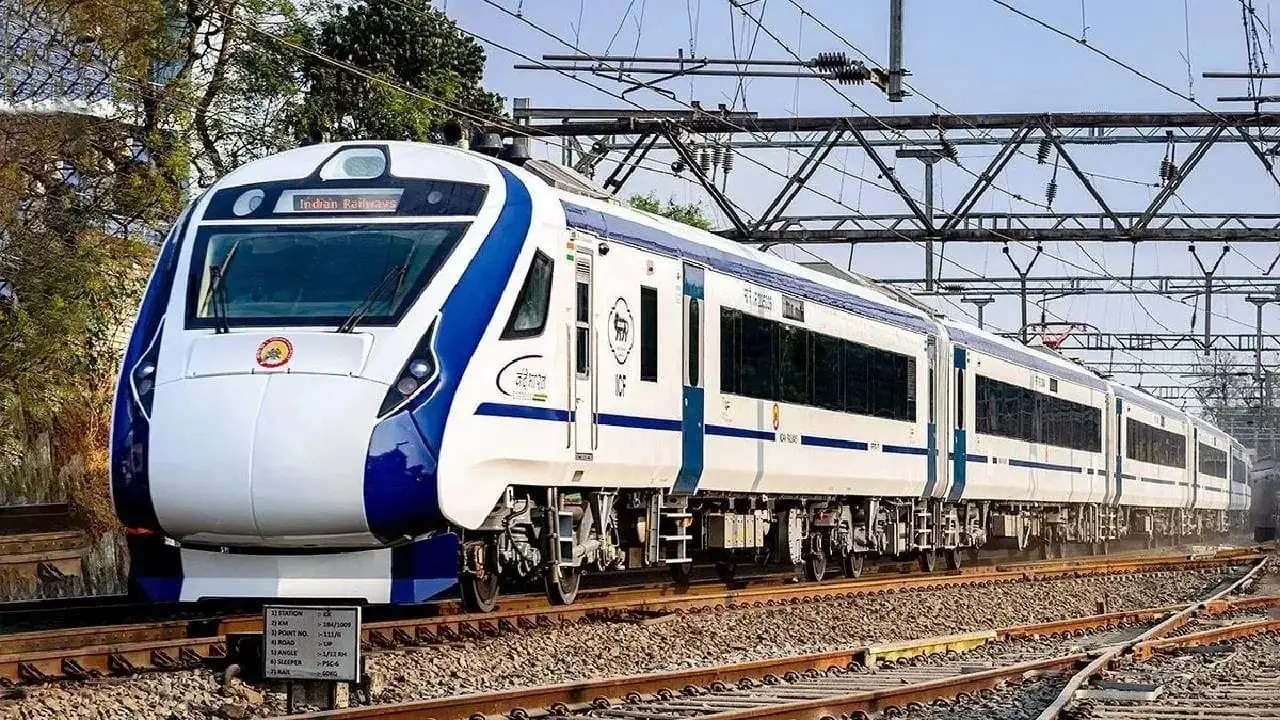
Tragedy struck Pakur, Jharkhand, when a speeding Vande Bharat Express train claimed the lives of three family members walking across railway tracks. Chandan Sardar, his wife Rinpa, and their three-year-old daughter Arpita were killed outright in the horrific crash at Nagarnabi crossing, plunging the region into mourning.
The sequence of events began innocently enough: after an evening visit to relatives in Vikrampur, the Rajapada residents started their pedestrian journey home around 8 PM. Tragedy awaited at the unguarded crossing on the Pakur-Rampurhat line, where the New Jalpaiguri-Howrah train collided violently between poles 47/40 and 47/38. The impact was catastrophic, leaving no survivors.
RPF and GRP teams cordoned off the site, painstakingly gathering the remains amid a somber crowd. Forensic teams are examining the scene to determine if human error, mechanical failure, or poor visibility contributed. Local leaders visited the bereaved family, vowing support and pushing for accountability from railway authorities.
This fatal encounter revives debates on high-speed rail safety in semi-urban areas. Pedestrians frequently use these crossings, often at dusk when visibility drops. Advocacy groups demand AI-powered alerts, underpasses, and enforced speed limits. For Chandan’s extended family, shattered by the triple loss, healing will take time. The probe’s findings could spur changes, ensuring no other family suffers a similar fate on India’s expanding rail network.