


Public fury grips Andhra Pradesh following a milk adulteration tragedy in Rajamundry’s Narsapuram, where five perished—including a child and elderly—leaving 15 in perilous hospital care. Officials’ Thursday disclosure outlined containment efforts after initial chaos.
The crisis ignited February 16 with the first admission, escalating to 20 by February 24. KIMS Hospital flagged the pattern on February 22: kidney crises from probable toxins, confirmed by blood anomalies. Varalakshmi Milk Dairy’s output to 106 families emerged as ground zero.
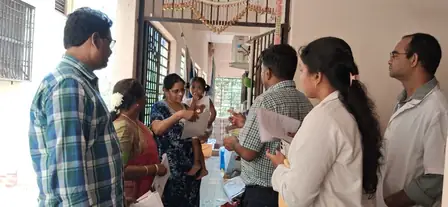
Response was robust: instant supply cutoff, surveys by nine teams on 307 people in 110 homes, 14 field units probing 957 families across 679 sites. Samples—blood, urine, dairy goods, water, feed—flooded labs like IIT Tirupati, JNTU Kakinada, VMTA Hyderabad, and VBRI Vijayawada. Veterinary checks hit 41 milk lots.
Patients’ plights vary starkly—one ventilated, six dialyzing, eight dual-therapy. Police nabbed 33-year-old vendor Ganeshwar Rao amid chain scrutiny. Multi-specialist teams of nephrologists, microbiologists, and more drive inquiries.
With Health Commissioner and Food Safety Director at the helm, control is asserted pending lab outcomes on microbes, chemicals, and nephrotoxins. This rural dairy debacle exposes systemic risks, fueling demands for vigilant oversight and harsh penalties to safeguard everyday essentials.