


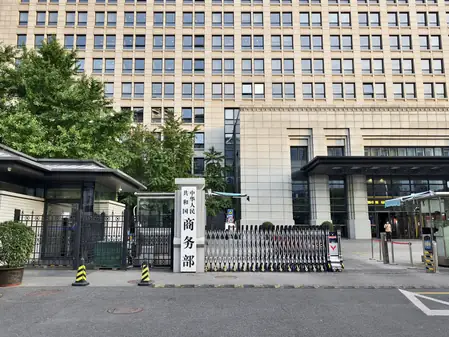
Beijing is drawing a line in the sand over US trade threats. Addressing US Trade Representative Jamieson Greer’s intention to deepen the Section 301 inquiry into China’s Phase One compliance—possibly culminating in tariffs—the Chinese Commerce Ministry spokesperson outlined Beijing’s position with clarity and resolve.
Launched in January 2020, the Phase One accord tackled core grievances including IP theft concerns, agricultural import quotas, and financial sector openings. China credits itself with scrupulous adherence, surmounting global crises like the coronavirus outbreak, logistical snarls, and economic contraction.
Enhancements in IP protection, broader market access, and robust trade execution demonstrate China’s good faith. Conversely, US measures—harsher export rules and investment barriers—have sabotaged progress, as chronicled in China’s comprehensive white paper.
Momentum from five consultation rounds last year points to potential. China implores objective evaluation from Washington and expresses willingness for enhanced engagement. That said, escalation of probes will necessitate firm actions to uphold China’s legal entitlements.
Amid geopolitical strains, this development tests the durability of US-China economic links. Markets react warily to tariff shadows, which could disrupt sectors from semiconductors to soybeans. Sustainable peace demands reciprocity, not retaliation.