


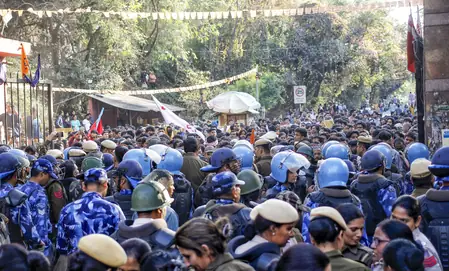
Patiala House Court in Delhi made headlines Friday by approving bail for every one of the 14 JNU students held in the contentious protest matter. Key to the ruling: the young accused aren’t seasoned or chronic lawbreakers.
Tensions ran high in court as Delhi Police lobbied hard for judicial remand, essential they claimed for unraveling the full story. Far from serene, police depicted the JNU rally as a brawl zone where students battered officers, causing wounds. They backed this with records of four past FIRs tied to violent protest tactics.
Emotional weight arrived via a student’s claim of being forcibly pulled by 4-5 uniformed strangers from the crowd, her hand battered into clotting bruises—a stark protest peril.
Lawyers for the defence vowed probe collaboration, offering documented commitments. They reframed the narrative around youthful passion over criminal intent.
The bench was firm—police attacks are no joking matter, not shielded by dissent labels. But with charges carrying up to five years’ jail and no repeat offender tags, personal bonds of 25,000 rupees sealed their liberty. This bail saga spotlights ongoing clashes between student movements and state authority, fueling nationwide discourse on rights and restraint.