


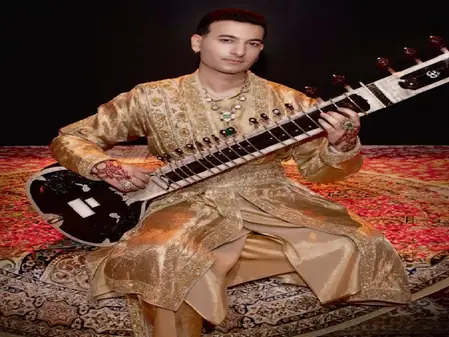
A high-stakes clash in the world of Indian classical music sees the Pandit Ravi Shankar Music Institute siding decisively against prodigy sitarist Rishabh Rikhiram Sharma’s self-proclaimed title as the maestro’s last disciple. Sparked by Sharma’s recent stage declaration and swiftly countered by Anoushka Shankar’s refutation, the institute’s intervention brings factual closure.
Dismissing formal status, the statement concedes limited lessons but hammers home the absence of ritual depth—no guru-diisha, no priest-led formalities, no marathon training marathons. The pivotal 2012 event? Panditji’s audience appearance yielded only a momentary nod: introducing Sharma as a fresh face he’d briefly taught, sans any lasting endorsement.
Sharma’s substantive grooming traces to Parimal Sadaphal, per the institute. True endpoints in Panditji’s teaching tree: Nishad Gadgil and Dr. Scott Eiseman, bookending early luminaries like four-year-old Shubhendra Rao and seven-year-old Anoushka.
Famed for reimagining classics like ‘Shiv Kailashon Ke Vaasi’ with pop sensibilities, Sharma’s star rises even as his claim falls. This rift illuminates the parampara’s ironclad rules, where casual praise doesn’t confer sacred bonds. Mumbai’s Feb 27 buzz signals broader implications for authenticity in a fusion era, urging artists to honor history while forging ahead.