


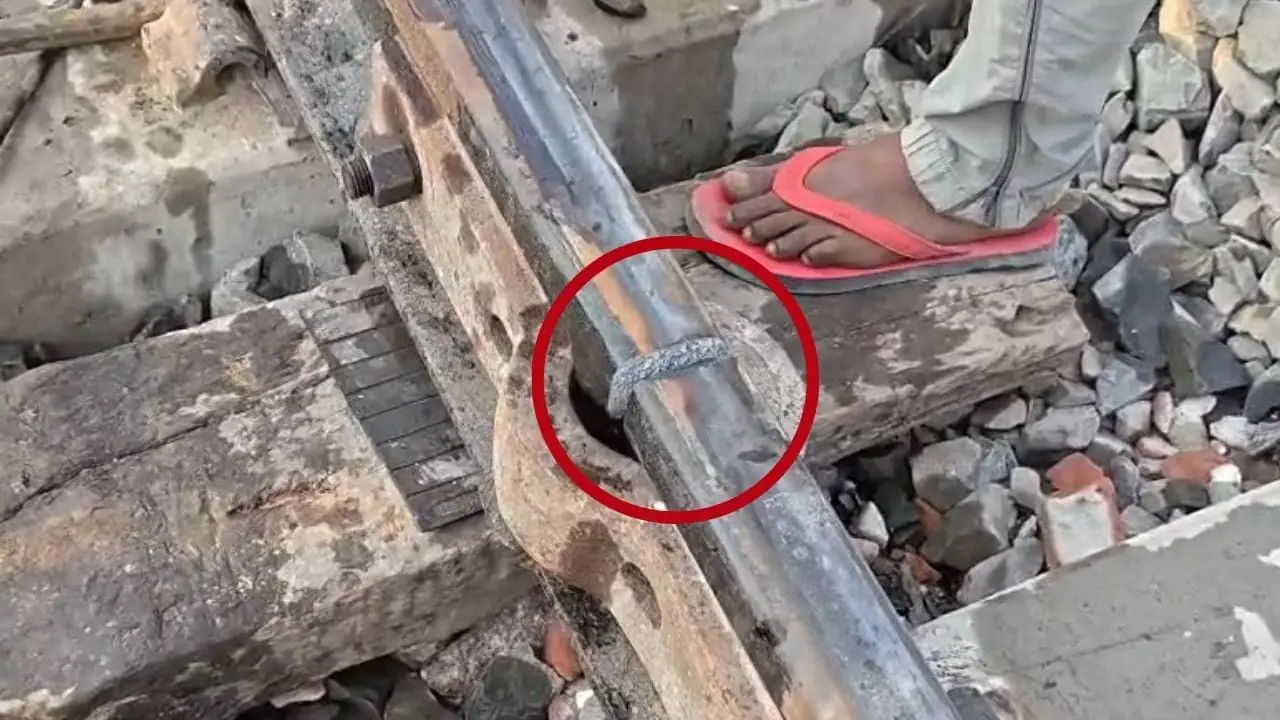
Heart pounding, brakes screeching—Bihar’s railways dodged a bullet in West Champaran when a vigilant loco pilot detected a broken track under the Bagaha-Patliputra Intercity Express. En route from Narkatiaganj to Bettiah, the train’s departure from Kumarbaag station nearly ended in tragedy.
Just as the engine and initial coaches cleared the platform, a violent shudder signaled catastrophe. The pilot, drawing on split-second judgment, halted the 10-coach behemoth. Peering underneath, he uncovered the culprit: a snapped rail track, stealthily undermining the journey.
Stranded for roughly 90 minutes, passengers buzzed with unease as emergency response teams swarmed the area. Senior railway personnel directed a high-stakes fix, riveting and testing the line until deemed air-tight. With repairs complete, the express resumed, ferrying its human cargo unscathed.
In a post-incident briefing, the guard lauded the pilot’s acumen. ‘His prompt action spared us immense grief,’ he stated, flagging concerns over track durability. The railways have swung into damage-control mode with a dedicated inquiry team dissecting the failure.
Preliminary findings point to possible fatigue cracks exacerbated by heavy traffic, but deeper forensics loom. This episode fuels broader discourse on rail safety—calling for AI-driven sensors, drone surveillance, and zero-tolerance maintenance. Amid the relief, one truth stands: individual bravery bridged the gap left by institutional oversight, preserving lives on a vital lifeline.