


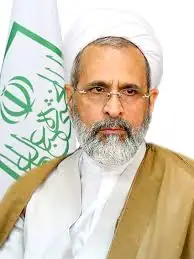
Iran’s leadership landscape transformed overnight as Ayatollah Alireza Arafi was elevated to interim Supreme Leader on March 1, shortly after Ayatollah Ali Khamenei perished in a US-Israel bombing of his Tehran home, government channels confirmed.
Spearheading the nation since Khomeini’s 1989 passing, Khamenei shaped Iran’s defiant foreign policy and internal controls. This abrupt end via airstrike activates succession machinery.
A three-person crisis council—featuring President Masoud Pezeshkian, top judge Gholam-Hossein Mohseni Eje’i, and a Guardian Council divine—assumes duties. Constitutional law dictates their role pending selection by the Assembly of Experts, the 88-strong clerical powerhouse over state affairs, military, and judiciary.
Stepping into the breach, Arafi (b. 1959, Meybod) boasts credentials: Guardian Council duties on laws and elections, leadership of Al-Mustafa International University (2008-2018), and ongoing Supreme Council of Cultural Revolution membership.
In this powder-keg moment, Arafi’s interim status may influence Tehran’s retaliatory calculus and global positioning. The path to a permanent leader lies with the Experts’ Assembly, promising intense political maneuvering ahead.