


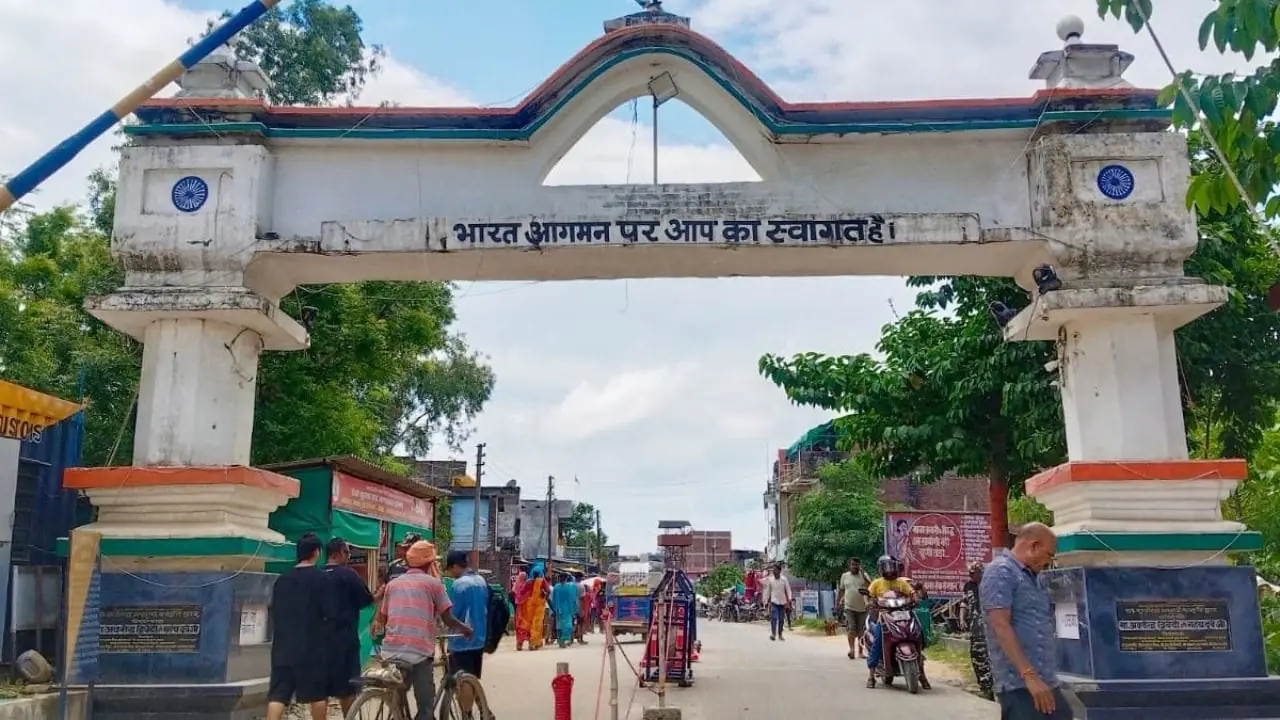
The vibrant spirit of Holi dims along the India-Nepal line as Bihar enforces a three-day border shutdown. From Araria to Kishanganj, gates clang shut Monday night through Thursday, courtesy of Nepal’s looming elections on March 5. Jogbani, the pulsating trade artery, epitomizes the standstill.
Purpose? Guarantee violence-free voting in Nepal’s frontier zones. Beefed-up forces scan horizons, halting pedestrian and vehicular traffic save for dire needs. Families mid-plan for festive crossings pivot to remote salutations, evoking quiet resignation.
Trade arteries clot. Jogbani’s bazaars, symbiotic hubs for bilateral exchange, host ghostly stalls. Nepali consumers shun daily hauls; Indian exporters idle stocks. Holi’s lucrative window—paints, snacks, attire—slips away, squeezing margins in an already tough economy.
Intangible losses sting deeper. Generations of cross-border kinships defy maps; Holi unites them in riotous play. Now, screens bridge gaps, diluting the essence. ‘Borders mean nothing on Holi—until now,’ reflects a villager.
Dual threats—electoral integrity and hooch trafficking—drive measures. Nepal’s seven-day alcohol freeze syncs with Bihar’s prohibition, routing smugglers. Checkpoints brim with immobilized freighters.
Dawn post-polls promises resurgence. Till then, silence supplants splashes, a poignant reminder of democracy’s demands on festivity.