


Phanishwar Nath Renu’s ‘Mare Gaye Gulfam’ stands as a cornerstone of regional Hindi literature, masterfully depicting village life’s tender nuances. Its screen adaptation, ‘Teesri Kasam,’ features Raj Kapoor as Hiraman, the bullock-cart man whose fateful encounter with nautanki artist Heerabai sparks a tale of fleeting love and enduring values.
Through their travels—past paddy fields and bustling haats—the story weaves innocence with harsh truths about caste, profession-based biases, and inner strength. ‘Teesri Kasam’ symbolizes Hiraman’s unwavering commitment to self-respect post-disenchantment, a motif echoing rural ethos.
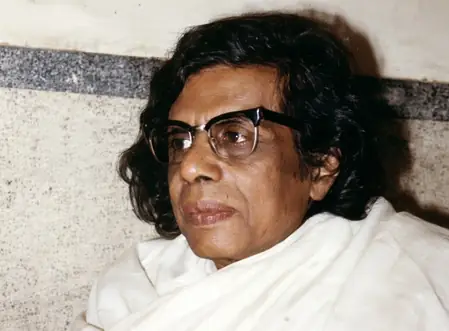
Renu, born March 4, 1921, in Purnea’s Andheri Hingna, infused his work with lived authenticity. Village festivals, colloquial banter, domestic rhythms—all pulse through his pages, rendered in a dialect-rich language that’s intimate and inclusive.
His eventful life—participation in independence movements, incarceration, Nepal revolution—imbued writings with raw emotional heft. Avoiding urban elitism, Renu celebrated the common folk’s dignity.
The simplicity of his style, free from heavy lexicon, ensures broad appeal. Official accolades like Padma Shri and a dedicated stamp affirm his contributions. ‘Mare Gaye Gulfam’ endures as a bridge between literature and cinema, preserving the heartbeat of rural India for generations.