


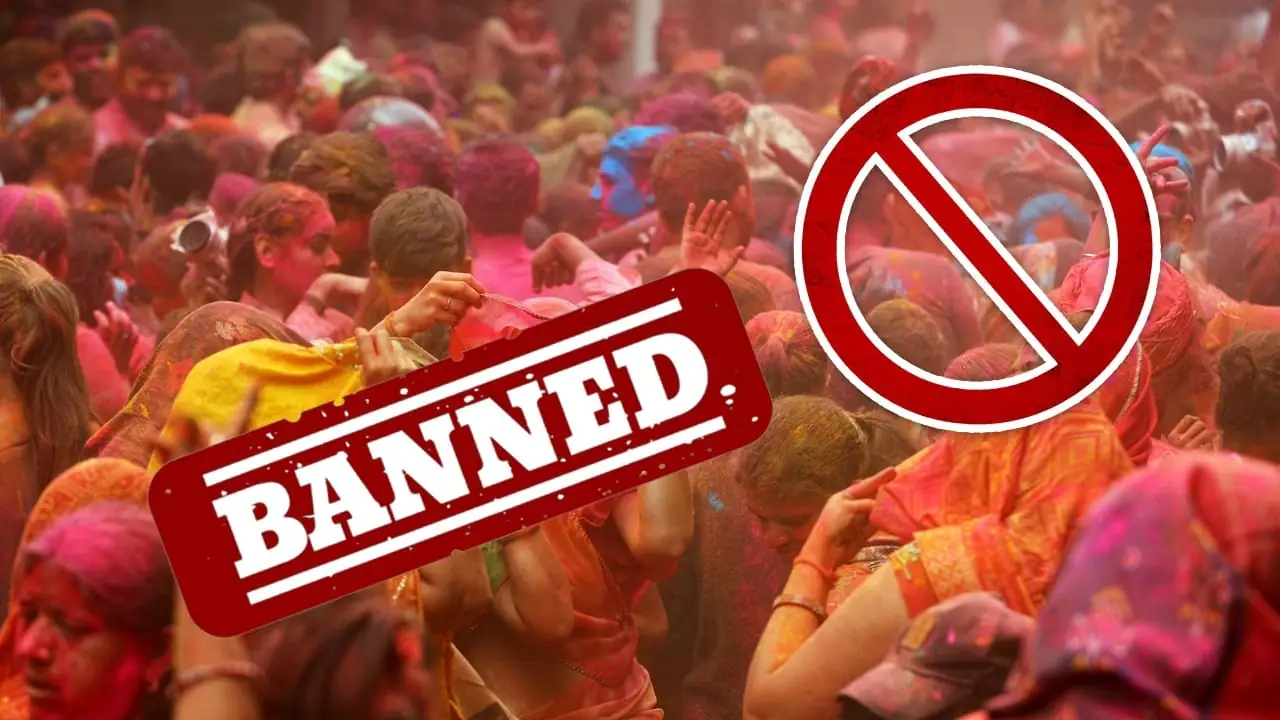
Chhattisgarh’s Gariband district harbors Khajurpadar, a 2,000-strong village in Mainpur tehsil, 80 km off the beaten path. Here, Holi has been off-limits for over 100 years, commanded by goddesses Gram Shrimati and Shanpath. No dahan rituals, no vibrant rangwali antics—just everyday normalcy laced with piety.
The genesis? A bygone era of Holi joy turned disastrous when colors irked the divine. Smallpox and gut-wrenching illnesses proliferated, teetering the village on collapse. Ancestors’ atonement—prayers, fasts, elaborate worship—pacified the deities. The collective resolution: ban Holi forevermore.
Come Holi, the village slumbers in quietude. Homes host routine activities; temples draw steady streams for benedictions on prosperity. Youth embrace the custom wholeheartedly, colors utterly absent.
Its fame ensures compliance. Outsiders steer clear of provocation; a 15-20-year-old incursion revived spectral plagues, quelled by sacred rites, thus fortifying the pact.
Leaders affirm its veracity. Sarpanch Kumari Bai Nagesh, Janpad’s Jaisingh Nagesh, and ex-sarpanch Yepeshwar Nagesh relay unbroken lore. ‘Devi’s decree reigns supreme,’ they declare. Dharm Singh and Pooran Pratap add, ‘Prosperity demands obedience.’
Khajurpadar embodies cultural resilience, where spirituality eclipses spectacle. While Holi ignites India in glee, this enclave opts for devotional tranquility, a vivid chronicle of faith’s timeless dominion.