


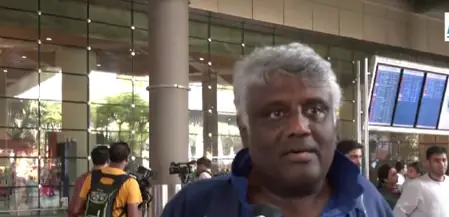
Flight paths from the UAE to India have been dramatically altered by Gulf airspace restrictions, funneling passengers through Oman’s Muscat as a lifeline. Landing at Mumbai’s Chhatrapati Shivaji Maharaj International Airport, returnees recounted stressful reroutes, commendations for rescue operations, and a veneer of normalcy masking deeper apprehensions.
A massive evacuation effort shone through one account. ‘Shoutout to Air India’s leadership—they pulled off the impossible for our 580-person group despite closed skies,’ the passenger beamed.
Rerouting realities hit hard. ‘Dubai business meant a lengthy Muscat detour—12 hours to freedom. Best advice for the stranded: head to Muscat,’ advised another.
Local vibes were deceptively steady. Muscat: ‘Calm streets, anxious hearts—war could ignite anytime.’ Airports adapted: ‘Limited but operational; Dubai back online today, Abu Dhabi yesterday.’
Safety nets held firm. ‘Dubai’s defenses aced it—we stayed safe through the noise, aided by welcoming locals.’
Hometown perspectives enriched the narrative. ‘Dubai’s a marvel of modernity, blast notwithstanding,’ said one Maharashtrian. Relief was palpable: ‘Pure joy returning to family post-February 24.’ Oman thanks flowed: ‘Grateful for Omani support; peace prayers unite us.’
As tensions simmer, these homebound flights reflect calculated risks. Mumbai’s arrivals terminal buzzed with tales of adaptation, from corporate airlifts to solo scrambles, painting a vivid portrait of travel in flux.