


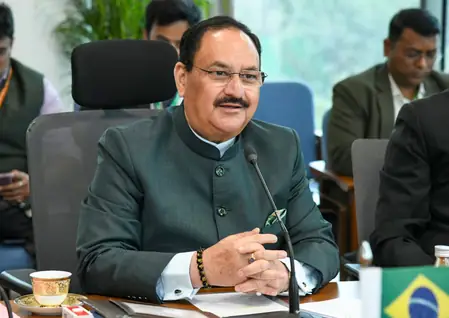
Picture India’s chemical sector commanding 5-6% of the world market by 2030, scaling to $1 trillion by 2040—that’s the electrifying outlook from Union Minister JP Nadda at a recent post-budget forum. This isn’t hype; it’s backed by concrete government action.
Key allocations of Rs 13,000 crore fuel the Bio-Pharma Power Scheme and three flagship chemical parks, positioning India at the forefront of next-gen manufacturing. Nadda highlighted the biologics revolution, with 40% of medicines going biologic by 2035 amid $300 billion in expiring patents by 2030.
The Rs 10,000 crore BioPharma Mission over five years arms India to dominate biosimilars, where 1% global share means Rs 2 lakh crore in yearly revenue—a tantalizing prospect.
Prioritizing human capital, the minister urged fortifying NIPERs and building 1,000 clinical trial sites to ignite innovation. Empowering CDSCO for rapid approvals in biosimilars and fermentation will cut red tape.
With Rs 19.4 lakh crore in current production and leadership in dyes and agrochemicals, the 3% global share reflects infrastructure woes. Rs 3,300 crore will birth three elite parks with instant utilities, eco-friendly waste systems, seamless logistics, and paramount safety.
Anticipated 20-40% cost drops from industrial tie-ups and circular designs will propel efficiency. This comprehensive strategy heralds India’s emergence as a chemical titan, blending policy, tech, and vision for enduring success.