


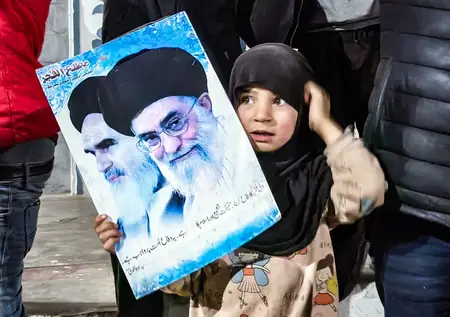
A profound three-day commemoration for Supreme Leader Ayatollah Ali Khamenei unfolds in Tehran from Wednesday midnight, drawing multitudes to the Grand Musalla in the wake of lethal US-Israel strikes that claimed him and senior commanders last Saturday.
Authorities emphasize the rite’s gravity, positioning it as a cornerstone moment for a battered nation. While interment details are withheld, anticipation builds for widespread attendance.
Simultaneously, Mojtaba Khamenei emerges as the anointed successor, handpicked by the Assembly of Experts through virtual means amid battlefield constraints. Reports finger IRGC strong-arming of religious authorities.
This hereditary shift jars with Iran’s self-image as an anti-monarchical bastion, igniting debates on whether wartime exigencies trump doctrinal tenets.
Post-strike escalations ripple through the region, testing Tehran’s resolve as new leadership takes root. State channels rally the faithful for Musalla vigils, weaving grief into resolve.
Beyond tributes, the event spotlights IRGC dominance and succession fault lines. Participants from afar will amplify the spectacle, underscoring communal bonds in turmoil.
Tehran’s mourning marathon closes a tumultuous week, setting the tone for Iran’s path forward—grappling with loss, legacy, and the clash of ideals against inheritance.