


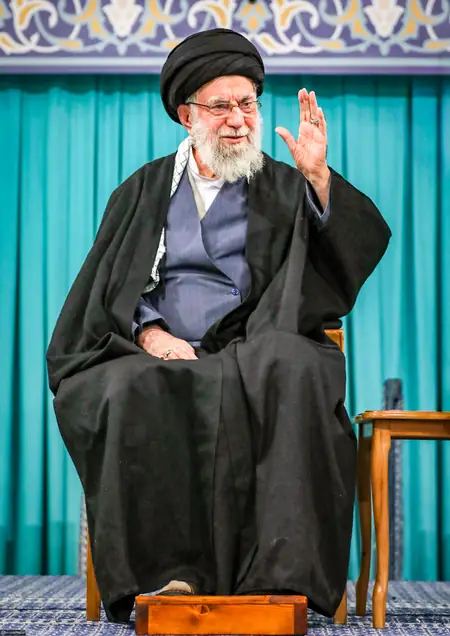
The Islamic Republic of Iran has officially postponed a monumental farewell ceremony for Ayatollah Ali Khamenei, supreme leader felled by US-Israel airstrikes. Planned as a three-day spectacle launching Wednesday evening in Tehran, it succumbed to severe organizational strains.
Per Iranian outlets, influxes of attendees from distant provinces exacerbated dilemmas in logistics, security protocols, and crowd handling. The 10 PM kickoff at Imam Khomeini Prayer Hall was meant to unite the nation in grief, but prudence prevailed.
Khamenei’s death in the Saturday barrage, alongside family and officials, has accelerated whispers of his son Mojtaba’s elevation to Supreme Leader by the Assembly of Experts—unofficially for now. Israel’s hawkish Defense Minister upped the ante, threatening to ‘find and kill’ the new appointee.
Over three decades at the helm from 1989, Khamenei molded Iran’s worldview: from nuclear defiance to alliances with Hezbollah and Houthis. His tenure weathered revolutions, embargoes, and conflicts, embedding Islamist ideology into statecraft.
This suspension mirrors broader instability gripping Tehran. As new ceremony dates loom, the world watches whether Iran’s power structure endures amid vows of retribution and aerial shadows.