


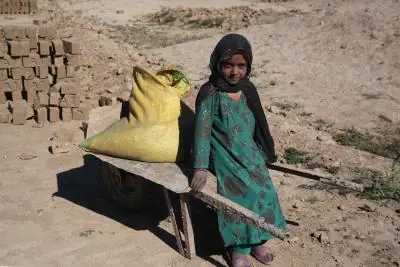
Pakistan’s Planning Commission report delivers a sobering assessment: poverty and income inequality have surged over six years, based on HIES data from 2018-19 and 2024-25. The national poverty rate now stands at 28.9%, up from 21.9%, reflecting deep structural woes.
Disparities are pronounced geographically—rural poverty at 36.3% (from 28.2%), urban at 17.4% (from 11%). Unemployment rose to 7.1%, while real incomes fell 27.5%, hammering living standards amid policy instability.
Catastrophic events accelerated the downturn: the pandemic’s grip in 2019-20 and floods’ wrath in 2022-23. IMF conditions imposed subsidy slashes, tax increases, and spending restraints, disproportionately affecting low-income groups.
The minister outlined remedies: embrace export-driven growth, prioritize underdeveloped areas, balance federal-provincial funds, and enhance social nets with cash programs, poverty targeting, and SME promotion.
Far from mere figures, this report signals systemic failure and offers a roadmap for equity. Successful execution could herald recovery, fostering resilience and fairness in Pakistan’s economic landscape.