


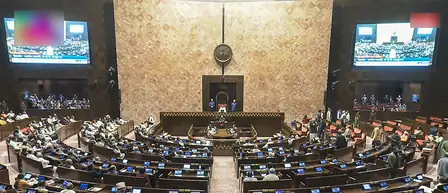
India’s political landscape heats up with nominations underway for 37 Rajya Sabha seats in a biennial exercise announced February 18 by the Election Commission. Retiring members from Maharashtra, Odisha, Tamil Nadu, West Bengal, Assam, Bihar, Chhattisgarh, Haryana, Himachal Pradesh, and Telangana pave the way for fresh faces.
The schedule is precise: filings from Thursday, scrutiny March 6, pullouts by March 9, voting March 16 (9 AM-4 PM), and counts at 5 PM. Transparency protocols feature official purple pens only for preferences, enforced by vigilant observers.
Upholding democratic standards, the Commission demands unwavering rule-following. These contests will define the upper house’s ideological tilt.
BJP leads announcements with Bihar’s high-profile Vinod Tawde, Nitin Naveen, Shivesh Kumar; Assam’s Teresh Gowala, Jogen Mohan; Chhattisgarh’s Lakshmi Verma; Haryana’s Sanjay Bhatia; Odisha’s Manmohan Samal, Sujit Kumar; West Bengal’s Rahul Sinha. Loyalists like Ramdas Athawale return, joined by Maya Iwante and Ramrao Wadkute.
In a tactical alliance, Congress backs NCP-SP’s Sharad Pawar, as declared by Maharashtra chief Harshwardhan Sapkal with Supriya Sule and others present.
As campaigns intensify, this election cycle reveals shifting sands in Indian politics, promising lasting impacts on legislative agendas.