


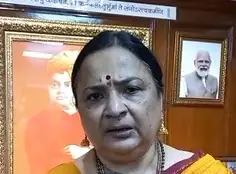
A major rift has emerged at JNU with its Teachers’ Association formally requesting Union Education Minister Dharmendra Pradhan to relieve Vice-Chancellor Santishree Dhulipudi Pandit of her duties. The catalyst: her contentious podcast comments trivializing caste’s role in Indian society.
The remarks, from a widely viewed media podcast, have fueled accusations of insensitivity and bias. Pandit further stirred the pot by openly avowing her alignment with the central government’s ideology and crediting it for her prestigious position.
Yet, in a twist, she critiqued the ministry’s UGC 2026 equality norms in the very same forum. JNUTA’s letter exposes the ministry’s reticence as starkly at odds with its heavy-handed response to JNU student activism—deploying police to block marches, effect arrests, and incarcerate protesters seeking accountability.
This disparity, faculty argue, undermines the Constitution’s justice triad and signals governmental complicity in fostering caste prejudice within academia. Transparency demands either public endorsement of these views or decisive action via dismissal.
The standoff raises profound questions about politicization in higher education and the imperative for impartial leadership. Eyes are now on Pradhan for a response that could define the ministry’s stance on inclusivity.