


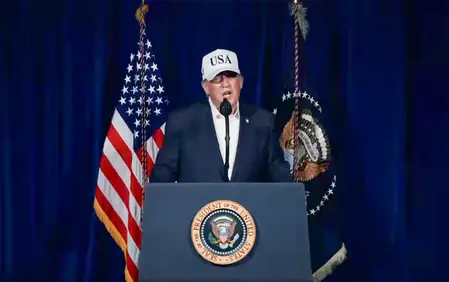
A Senate vote on March 4 torpedoed efforts to invoke the War Powers Resolution against President Trump’s Iran strikes, exposing deep fissures in how America wages war.
This 1973 statute, a post-Vietnam revolt against Nixon-era adventurism, compels presidents to report combat deployments to Congress in 48 hours and obtain approval within 60 days—or pull back. It’s Congress reclaiming its Article I war powers from an expansive executive.
Reality bites differently. Presidents have masterfully workaround: Bush in Panama, Clinton in the Balkans, Obama against ISIS—all notified but rarely halted. The ’60-day clock’ often starts late or not at all, thanks to creative interpretations.
Bright spots exist. Pressure from Capitol Hill ended Reagan’s Lebanon entanglement after 241 Marines died. Public outrage and votes forced Clinton’s Somalia retreat. In 2019, a Yemen support-ending bill became law over Trump’s objection? No—veto upheld, but it marked a rare congressional flex.
Iran’s rebuff sustains status quo military freedom, but ignites reform cries. Bipartisan bills seek to clarify ‘hostilities,’ mandate funding cutoffs, or bolster reporting. Defenders view it as anti-war bulwark; foes as dangerous micromanagement.
In an era of drones, proxies, and cyber ops, the resolution strains relevance. Yet it endures as sentinel against imperial presidencies, urging vigilance in democracy’s delicate power dance.