


Across Jharkhand’s indigenous villages, Baha Parb unfolds as a spectacular ode to spring flowers and tribal unity. The Santhal hallmark, translating to ‘Flower Festival,’ launches on Falgun’s fifth tithi, sustaining revelry through the month with dances, prayers, and communal bliss.
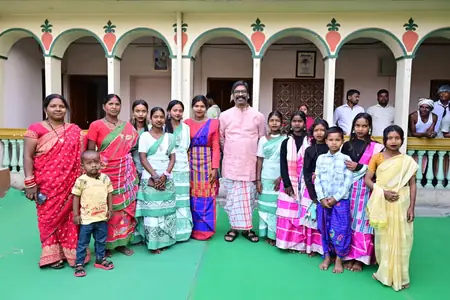
CM Hemant Soren dove into the fervor Thursday at Nemra in Ramgarh district—his roots. From his residence, a vibrant procession carried him to Jaher Than, site of age-old rites performed by Naike Chaitan Tudu and Kudam Naike Chhotu Besra. He sought blessings for statewide felicity, energizing participants by thumping the mandal drum.
Distinct from Holi’s hues, Baha delights in floral and aqueous showers, bow-arrow worship, and rhythmic steps to nagara and dhol. Priests, revered as Naiki Baba, share sakhua, mahua, and sal flowers post-puja, ushering marriage rites, hunts, and feasts.
Santhals worldwide—from fellow Indian states to exiles in Nepal, Bangladesh, Myanmar, Bhutan, and the US—embrace it fervently. Soren’s message framed the parb as nature-culture symbiosis, vital for communal strength. These gatherings not only revive traditions but fortify social fabrics, promising renewal as petals herald warmer days.