


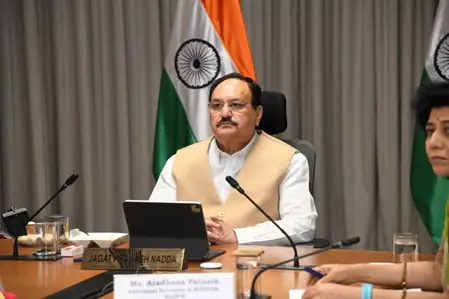
At WHO’s Geneva headquarters, Union Minister JP Nadda virtually championed India’s war on cervical cancer, disclosing screenings for over 86 million women via the NP-NCD initiative. His remarks emphasized national resolve amid a disease that ravages women’s lives worldwide.
Prioritizing female health as a policy imperative, India deploys VIA-based detection at primary care points for ages 30-65. This infrastructure has enabled unprecedented scale, proving proactive health saves generations.
Elevating the narrative, Nadda unveiled the nationwide HPV vaccination program launched by PM Modi, targeting 12 million girls with a single-dose strategy over 90 days. Free at government sites, it’s voluntary with family consent, honoring cultural sensitivities while frontline heroes execute flawlessly.
India backs WHO’s 2030 targets wholeheartedly, integrating vaccination, screening, and treatment. Dr. Tedros commended the ambition, noting India’s 42,000 new cases and 80,000 deaths yearly demand such urgency. He linked it to broader fights against HIV and obesity, praising scientific advances.
The briefing echoed International HPV Awareness Day’s call to action. South Africa’s Dr. Motsoaledi voiced support, as global partners eye India’s playbook.
Nadda’s closing appeal for collaboration resonates: eradicating cervical cancer requires shared vision and action. India’s strides—from mass screenings to mega-vaccinations—offer hope, demonstrating how determination and delivery can conquer public health giants.