


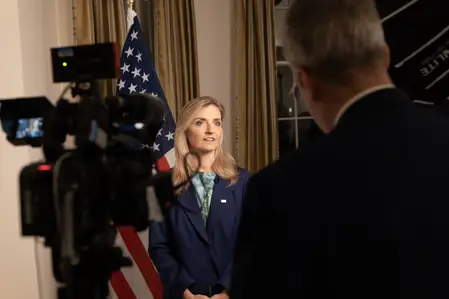
Facing relentless propaganda from Iran and China, America is doubling down on public diplomacy and smart messaging. At a House Foreign Affairs hearing, Deputy Secretary Sara Rogers revealed how these tools not only counter foes but also articulate U.S. policy to the world.
With heightened geopolitical stakes—including Operation Epic Fury strikes against Iranian perils—public diplomacy is indispensable for security. Protecting U.S. personnel and visitors tops the list, with communicators flooding social media and apps with safety updates.
Results are tangible: 17,500-plus Americans repatriated from the Middle East post-February 28. Strategically, the push combats disinformation head-on, championing free speech as America’s superpower and resisting global censorship threats.
Rogers detailed the dual framework. Long-term bonds form via the Educational and Cultural Affairs Bureau’s vast network of exchanges—Fulbright, Gilman, leadership programs—that groom international allies. Short-term, Global Public Affairs masters digital realms, employing AI to spot shifts, shape stories, and connect with influencers.
A new U.S. flag-centric branding policy brands every initiative unmistakably American. This integrates into grander visions: halting migration crises and crime syndicates in the Americas, leading tech innovation in Asia, and seeding prosperity in the Middle East and Africa.
Sports diplomacy emerges as a winner, blending NFL ties, World Expo showcases, and anticipation for mega-events like the World Cup and Olympics. It’s a golden window to broadcast U.S. triumphs far and wide.