


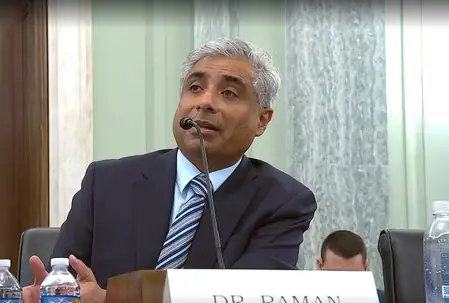
In Washington, Indian-origin Purdue leader Arvind Raman pitched an ambitious roadmap for NIST during Senate grilling, blending autobiography with a clarion call to outpace China through superior standards and innovation.
Nominated to direct the National Institute of Standards and Technology, Raman told the Commerce, Science, and Transportation panel that the agency must turbocharge US tech amid intensifying rivalry. ‘Global leadership demands we set the standards,’ he emphasized.
Evoking his 1980s arrival from India – penniless at Purdue, sustained by loans and secondhand goods until paid – Raman now steers a top-tier engineering powerhouse post two decades of scholarship.
NIST’s historic role in industrial standards has fortified US edges, he affirmed. His leadership would amplify this via stakeholder alliances, hastening breakthroughs.
He spotlighted global standards’ commerce-shaping power, aligning them with American ideals of open markets, innovation, privacy, and speech. Senators queried ongoing efforts, including small-business manufacturing aid; Raman committed to review and legislative adherence.
Fired up for AI advancement per executive plans, plus semiconductors, biotech, quantum, and next-gen manufacturing, Raman stressed collaborative standard-setting. ‘With industry and global partners, we’ll ensure US tech defines the future,’ he vowed, painting NIST as innovation’s vanguard.