


A fresh avian influenza confirmation in Hokkaido’s Abira has Japan’s farming ministry mobilizing resources. The fourth regional case this season pushes the country’s total to 21 affected sites.
This large farm maintains about 190,000 chickens. Wednesday’s report led to on-site testing that tested positive, ratified by advanced genetic sequencing the next day.
All infected and at-risk birds will be humanely culled, with remains incinerated and buried to quarantine the virus. Such measures are routine in Japan’s seasonal flu fight, peaking in winter.
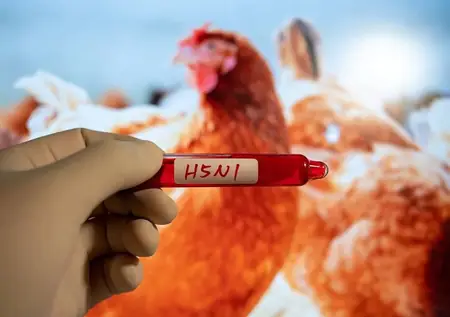
H5N1 bird flu, a subtype deadly to birds, surfaced globally in 1996. Recent H5 variants have unleashed devastation across continents since 2020, hitting wild and domestic flocks hard.
The virus jumped to North America in 2021 and further south in 2022, underscoring its migratory reach via wild birds. Human cases, tied to animal proximity, boast alarming lethality over 50%.
While human-to-human transmission is negligible, the potential for mutation keeps experts watchful. Japan’s rapid response exemplifies best practices amid rising global pressures.
Poultry producers worldwide should enhance protocols, monitor migrations, and stay informed. This event spotlights the delicate balance between food security and disease control.