


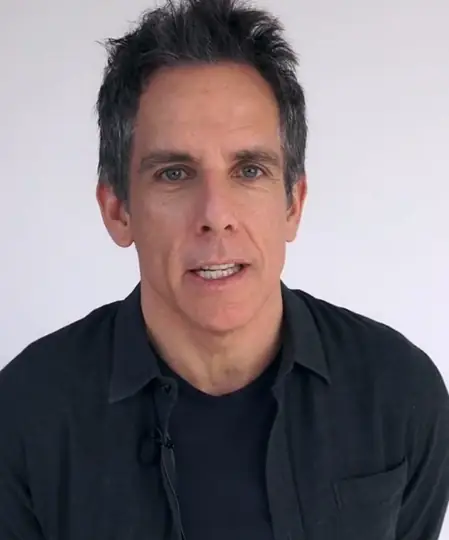
The White House’s attempt at cinematic patriotism has drawn fire from none other than Ben Stiller. The Hollywood veteran lambasted their X post for illegally deploying a scene from his cult comedy Tropic Thunder alongside real military footage, calling for its swift deletion.
Crafted as a high-octane tribute, the montage fused clips from Top Gun, Superman, Transformers, Breaking Bad, Iron Man, and Tropic Thunder with authentic American military exploits. The caption? ‘Justice the American way.’ Stiller, 60, countered on X: ‘White House, drop the Tropic Thunder clip. No clearance, no interest in propaganda. War demands gravity, not clips.’
This isn’t isolated. A roster of stars—Celine Dion, Bruce Springsteen, Linkin Park, Neil Young, Olivia Rodrigo, Radiohead—have decried similar appropriations. Singer Kesha’s recent fury over ‘Blow’ soundtracking a fighter jet’s fiery assault on a naval vessel exemplifies the trend. ‘Inhumane to weaponize art for war threats,’ she posted on Instagram.
Communications Director Steven Cheung trolled back: ‘Artists’ outrage = our views spike. Appreciate the boost!’ Yet, precedents like the prior administration’s ICE raid video highlight persistent issues.
Stiller’s outspokenness reignites discourse on intellectual property in politics. By framing war through Hollywood lenses, the White House risks diluting grave realities. As pushback mounts, it signals a cultural reckoning: entertainment mustn’t become fodder for agendas, preserving the line between satire and strategy in America’s media battlefield.