


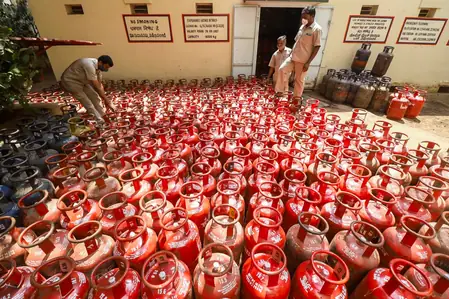
Saturday brought unwelcome news for Indian consumers as petroleum firms raised LPG prices, with the 14.2 kg household cylinder in Delhi now at Rs 913 after a Rs 60 increment from Rs 853. The commercial 19 kg cylinder escalated by Rs 114.5, reflecting acute pressures from the international energy arena.
Indian Oil Corporation’s update signals this as the latest in quick successive hikes, driven by Middle Eastern military escalations that have spiked global oil rates. These tensions threaten supply steadiness, inflating import bills and forcing domestic price alignments to match market realities.
Parallel to the LPG news, oil majors addressed circulating fuel scarcity tales head-on. BPCL’s X post cut through the noise: ‘Our supply chain is robust with vast petroleum reserves—no room for unfounded panic over petrol or diesel.’ The assurance extended to full operational readiness for customer needs.
IOC matched this vigor, labeling shortage reports as fabrications. ‘Nationwide fuel availability is secure, distribution flawless,’ it stated, beseeching the public to shun rumors and trust verified sources alone. The coordinated rebuttals nipped potential disruptions in the bud.
This confluence of price shocks and rumor control underscores a tense energy landscape. For everyday Indians, the domestic hike erodes purchasing power amid persistent cost-of-living strains. Commercial users, from street vendors to large caterers, confront steeper outlays that could filter into consumer prices.
Looking ahead, sustained Middle East volatility risks prolonging these trends, with implications for India’s inflation trajectory and growth outlook. Policymakers may need to explore buffer mechanisms, import diversification, and consumer support to balance fiscal prudence with public welfare in these trying times.