


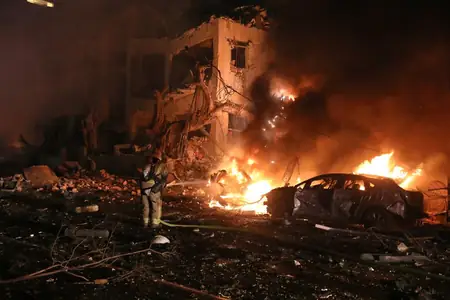
Escalation defined the weekend as Iran’s IRGC precision-targeted Israel’s Haifa refinery with Kheibar Shekan missiles, retaliating against US-Israel attacks that gutted Tehran’s oil infrastructure. The IRGC touted the strike on its Sepah News platform as righteous vengeance.
Damage assessments poured in from Iran: missile strikes ignited infernos at oil depots in Tehran and Alborz, taxing firefighting resources to the limit. The Iranian capital reeled under a sustained assault, blasts reverberating through its neighborhoods.
The feud reignited from the February 28 coalition strikes, which claimed lives including Khamenei’s kin and top brass in a multi-city campaign. Iran countered aggressively, saturating Israeli and American outposts with missiles and drones.
Security council secretary Larijani decried the moves as a bid to splinter Iran, imploring Trump to recognize his folly in trusting Israel. He vowed the wounds to Iran’s spirit would not fade.
On the foreign front, Minister Araghchi highlighted continuous liaison with Saudi peer Faisal bin Farhan Al Saud, who vowed to keep Saudi territory off-limits for strikes against Iran.
As the dust settles, the refinery hit spotlights vulnerabilities in global energy chains. Stakeholders from markets to mediators grapple with the fallout, where each volley risks drawing in more players and deepening the quagmire.